



Sourcing from China offers tremendous opportunities: low manufacturing costs, flexible production, and access to a vast supplier network. For small brands and importers, finding the right China supplier, however, can be challenging. Without the proper due diligence, you risk quality issues, payment scams, or unreliable production.
In this guide, we'll walk you through practical, proven strategies to choose a reliable China supplier, minimize risks, and build a long-term partnership — helping you scale smartly and sustainably.
Begin your search on trusted B2B directories such as Alibaba, Global Sources, and Made-in-China. These platforms help you filter suppliers by product category, verification status, and business type.
Ask potential suppliers for their business license, registration number, and legal name. Validate their credentials through local Chinese government records or trusted third-party services.
Also, check their certifications — ISO, CE, RoHS — and verify such docs directly with the issuing authorities.
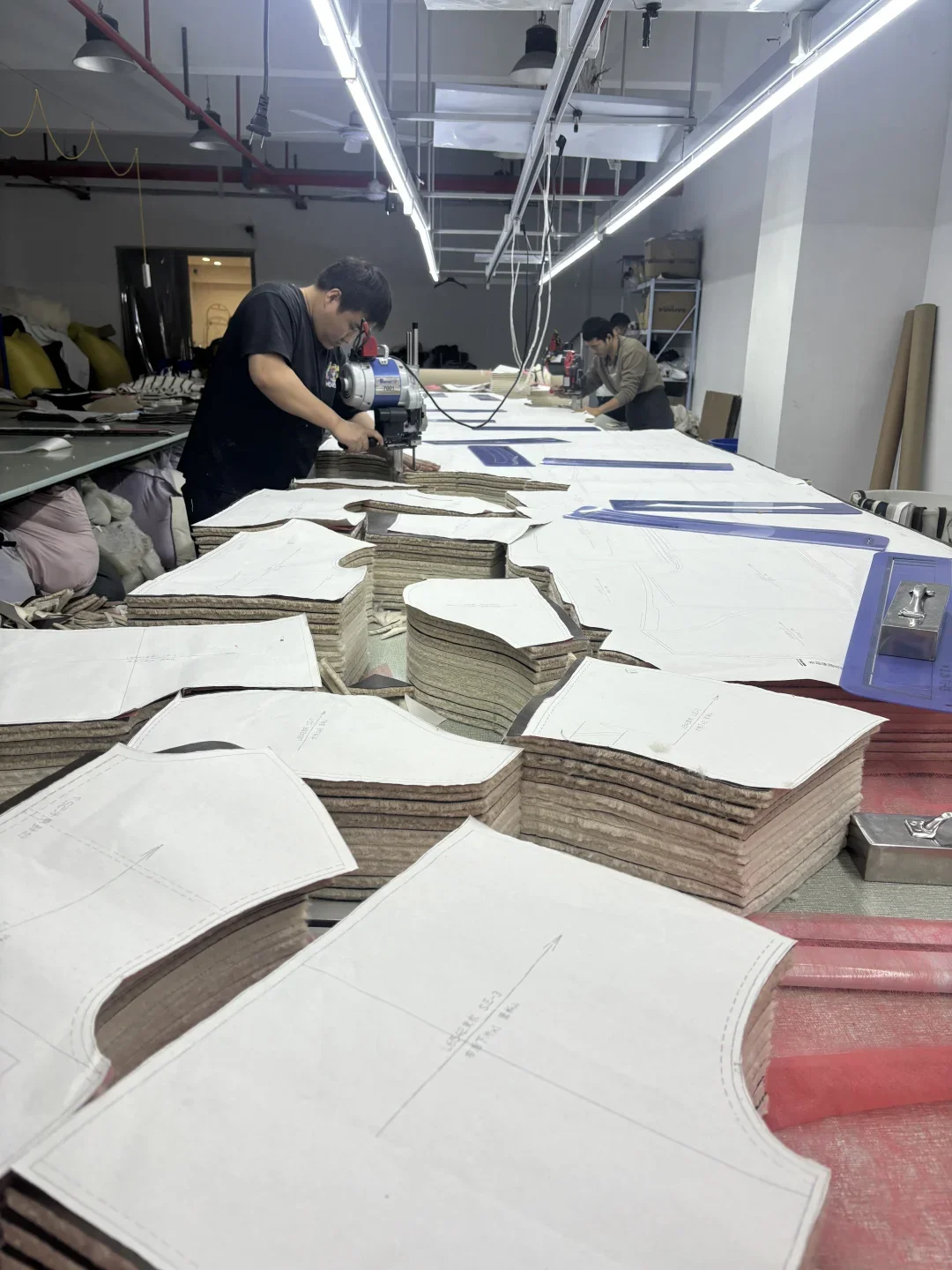
Many so-called “suppliers” on B2B platforms are trading companies, not actual manufacturers. A real factory is more likely to provide better control over quality, pricing, and customization.
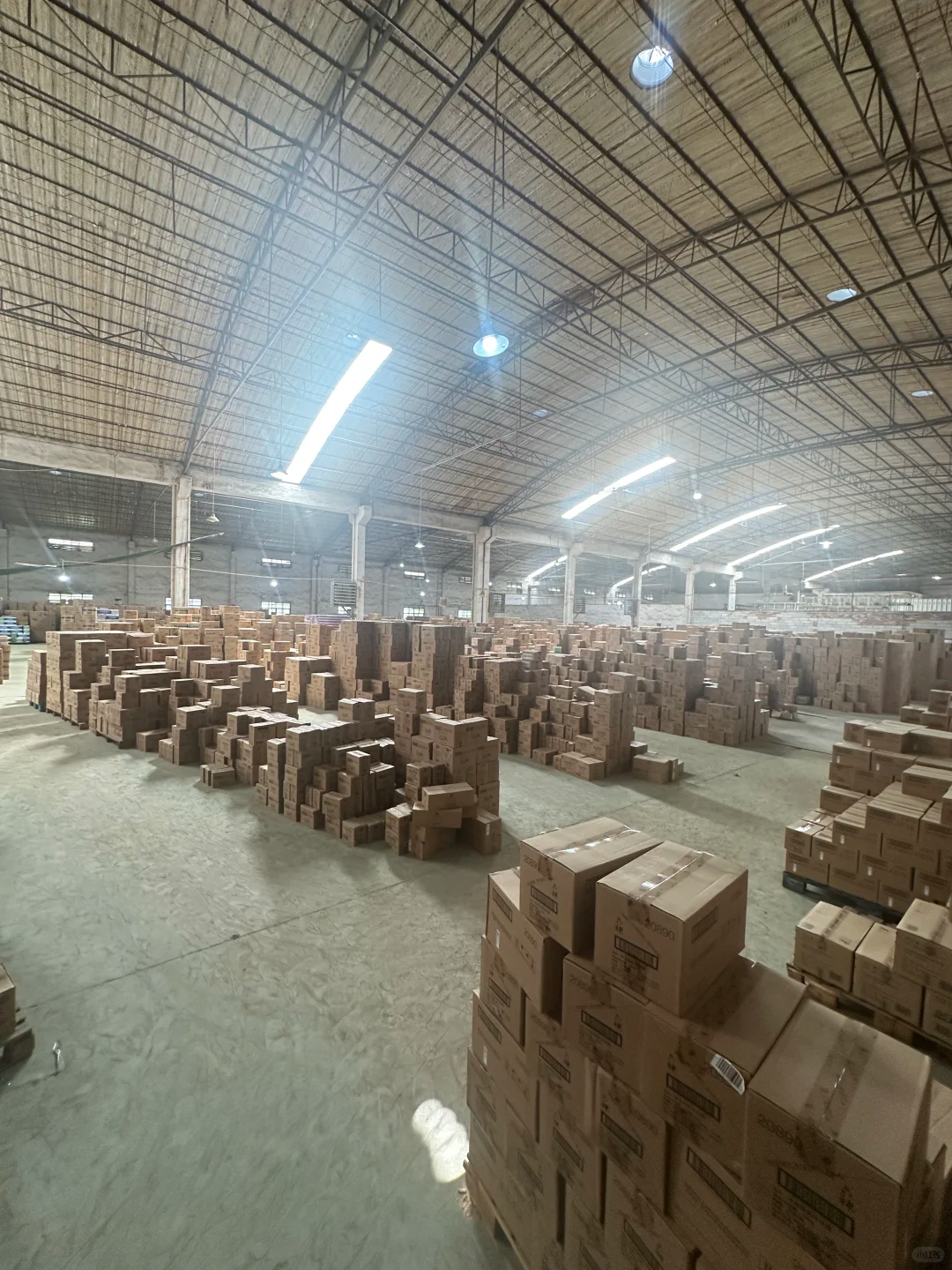
Ask for a factory tour via video, or request recent photos of their production line.
One of the most common mistakes is vague product specs. Without clarity, your supplier might produce items that don’t meet your expectations.
Define materials (type of plastic, steel, fabric, etc.)
Provide exact dimensions, tolerances, and color codes
Create a QC checklist (quality control) that clearly states your pass/fail criteria
Ask for pre-production samples to validate that the factory understands your specifications
In China, price negotiation is expected. Study current market rates (via Alibaba or other sourcing sites) so you can negotiate reasonably.
If you're a small brand, try to negotiate:
Lower MOQ by combining multiple SKUs in one order
Higher unit price in exchange for a lower order volume
Avoid paying full upfront. Use safe payment methods like escrow, trade assurance, or letters of credit. A reliable supplier should be open to milestone payments.
Make sure you agree on Incoterms that fit your logistics capabilities:
EXW: factory price, you handle shipping
FOB: supplier handles local export, you take over from port
CIF: supplier handles delivery to your port but gives up some control
Always ask for samples before placing a bulk order. Samples help you evaluate material quality, craftsmanship, and whether the supplier can meet your standards.
Test the samples in real-world scenarios or run lab tests if necessary.
Set up a QC plan that includes:
Pre-Production Inspection (PPI)
During-Production Inspection (DPI)
Pre-Shipment Inspection (PSI)
Hire a third-party inspector (SGS, QIMA, BV, etc.) to ensure objectivity.
Factory visits or audits: If possible, visit the factory or hire a third-party auditor to evaluate capacity, labor conditions, and process stability.
Communication matters: Insist on clear and regular communication. Use WeChat, Skype, or email to stay in touch. Being patient and respectful helps foster trust.
Legal agreement: Sign a detailed contract outlining product specs, price, inspection terms, payment schedule, and dispute resolution.
If you have unique designs, use Non-Disclosure Agreements (NDAs), and ensure your contract has IP protection clauses.
Don’t rely solely on a single supplier. Maintain backup suppliers and plan for possible production delays.Build a buffer stock as your brand grows, and forecast demand to stay ahead.
Once your first order is successful:
Ask for real customer references or case studies from the supplier
Negotiate better terms (price, packaging, delivery) based on your growing order volume
Build a long-term partnership — suppliers often offer preferential pricing or priority production for loyal customers
Choosing the right China supplier is more than just finding the cheapest quote — it's about verifying legitimacy, setting clear expectations, managing quality, and building trust. For small brands and importers, following a structured sourcing process will save costs, reduce risk, and build a strong foundation for scaling your business.
If you're ready to start or want help navigating this process, RY Wholesale is here to support you every step of the way — from supplier selection, sample management, quality control, to global shipping.
Get in touch today to build a reliable supply chain network with us.

2025-08-01 13:22:49
2025-10-30 20:45:05
2025-09-26 15:07:59